
When a company is ready to grow, the quality of its investors shapes its future. Besides money, the best investors also bring non-material perks like credibility, networks, and valuable experience. All these things are equally important.
The global investment landscape is wide. And the US one is the biggest in the world. American company stocks are expected to grow faster than stocks in other countries, with the S&P 500 index predicted to rise 14% over the next 12 months. That kind of momentum attracts serious capital, and with it, some of the most influential investment firms on the planet.
This guide breaks down the top investment firms in the USA by type, size, and specialty. If you’re a founder, CFO, or advisor trying to figure out who the right capital partners are, this is a practical starting point. Read on to explore the firms and see which ones are relevant to your situation.
How the Greatest Investors Shaped Modern Finance
The investment philosophy behind today’s top institutions was shaped by individual investors. Their investment approaches changed how Wall Street worked:
- Warren Buffett studied security analysis under Benjamin Graham at Columbia Business School. He built Berkshire Hathaway through value investing and emotional discipline. His investment method, which is basically staying focused on buying well-managed companies at fair prices and holding them, beats short-term speculation every time.
- Peter Lynch ran the Fidelity Magellan Fund from 1977 to 1990. During this time, he delivered an average annual return of around 29% while most of Wall Street was chasing momentum.
- John Templeton began buying stocks during the Great Depression and pioneered global investing through his Templeton Funds. He was looking for undervalued companies in markets others ignored. The Franklin Group later acquired his operation, forming Franklin Templeton
- Howard Marks built Oaktree Capital on market cycle awareness and low turnover, applying a contrarian investor’s mindset at an institutional scale.
- Thomas Rowe Price Jr. is the father of growth investing. He made the case that backing well-managed companies with long-term earnings potential would outperform the broader market.
- George Soros built his reputation through the Quantum Fund, one of the most respected quantum fund operations in financial history. He was using macro-level investment decisions that moved financial markets.
These figures shaped the investment strategies that the firms below still operate within today.
Leading Asset Managers in the US
These are companies that shape the American and global financial markets:
BlackRock
BlackRock is the world’s largest asset manager, with over $9 trillion in assets. The company serves institutional and individual investors across equities, fixed income, ETFs, and alternatives.
Its Aladdin platform processes risk data for thousands of institutions worldwide. As for the investment philosophy, the firm centers on diversification and long-term exposure to the broader market.
Vanguard

The Vanguard Group pioneered low-cost index investing and built an institution around the idea that individual investors deserve better than high fees.
Its client-owned structure returns profits to fund shareholders. This is a model for the long-term average investor, not the short-term speculator.
Fidelity Investments

Fidelity Investments offers asset management, brokerage, retirement planning, and venture investments.
The Fidelity Magellan Fund, made famous by Peter Lynch, remains one of the most studied examples of disciplined active management in Wall Street history. Fidelity Investments also backs technology growth companies, giving it a footprint across public and private markets.
Investment Banks and Strategic Advisory
Investment banks shape how capital flows through public companies and private markets.
These are the top investment firms in the US:
Goldman Sachs
Goldman Sachs advises on major mergers and acquisitions, underwrites equity, and debt offerings. They’ve got serious stakes across just about every sector through those asset management and principal investment arms of theirs.
If you’re a company that’s really starting to grow or looking to make a big transaction, then you can be sure Goldman Sachs will be in the room when it all goes down.
JPMorgan Chase

JPMorgan Chase got a global investment bank attached to one of the biggest commercial banking operations out there, and pretty much everything it does ripples out into the global markets.
We’re talking capital raising, M&A advisory, and market-making just about anywhere you care to look.
Morgan Stanley
Morgan Stanley advises on major corporate transactions and helps companies raise capital through IPOs and secondary offerings.
It’s well known on Wall Street for the depth of its research. Analysts here really dig deep into public companies before making any investment decisions. Its work spans investment banking, wealth management, and institutional investing.
Private Equity Firms
Private equity firms take ownership positions in businesses, intending to increase shareholder value through operational improvement or strategic acquisitions:
Blackstone
Blackstone is the world’s largest alternative asset manager. It has over $1 trillion across private equity, real estate, credit, and hedge funds.
Its investing approach focuses on improving profit margins in portfolio companies through active operational management.
KKR (Kohlberg Kravis Roberts)
KKR has completed some of the most significant leveraged buyouts in history.
Its investment philosophy combines financial engineering with operational involvement. Low turnover in leadership and a long-term view on ownership positions have been central to its track record.
Carlyle Group
Carlyle manages over $400 billion across private equity, real assets, and credit.
Its investing approach in government-linked sectors (developed through work with defense industries dating back to the post World War II era) gives it a distinct edge in complex, policy-adjacent transactions.
Apollo Global Management

Apollo is known for targeting undervalued companies in complex situations — distressed assets and restructurings where traditional capital won’t go.
Its investment decisions reflect the same contrarian investors’ philosophy that defines the greatest investors: buy what others won’t, price risk accurately, and hold with conviction.
Venture Capital and Tech Investors
Venture capital is where disruptive innovation gets its earliest institutional backing. These firms back founders before the broader market sees the potential:
Sequoia Capital
Sequoia‘s investing approach centers on finding exceptional founders at the earliest stages.
Early investments in Apple, Google, Airbnb, and Stripe reflect decades of consistent judgment about where value gets created.
Andreessen Horowitz (a16z)

A16z backs companies across software, AI, fintech, and crypto. His investment philosophy is built around disruptive innovation.
While ARK Invest has drawn attention for its public market approach to similar themes, a16z remains the dominant force in private tech investing.
Accel
Accel‘s low-cost operational model and security analysis of market trends make it one of the most efficient firms in venture.
Its portfolio includes Facebook, Slack, and Atlassian, built through early conviction and a disciplined investing approach.
Benchmark
Benchmark keeps its fund size deliberately small, favoring depth over breadth.
The firm prioritizes high conviction and close board involvement with fewer bets and more engagement.
The company keeps long-term ownership positions in each company it backs.
Insight Partners

Insight Partners bridges early venture and private equity. They focus on growth-stage software and SaaS companies.
Their ScaleUp program offers portfolio companies hands-on support in sales, talent, and product strategy as they scale.
Specialized Funds and Macro Investors
Not all top investors operate through traditional funds or private equity. Some of the most successful investors in history built their edge by going against the grain:
Soros Fund Management
George Soros built his name through macro-level investment decisions that moved financial markets.
The Quantum Fund, one of the most respected quantum fund operations in Wall Street history, delivered extraordinary returns through global macro strategies.
As for now, Company Soros Fund Management remains a reference point for how a successful hedge fund operates at the highest level.
Icahn Enterprises
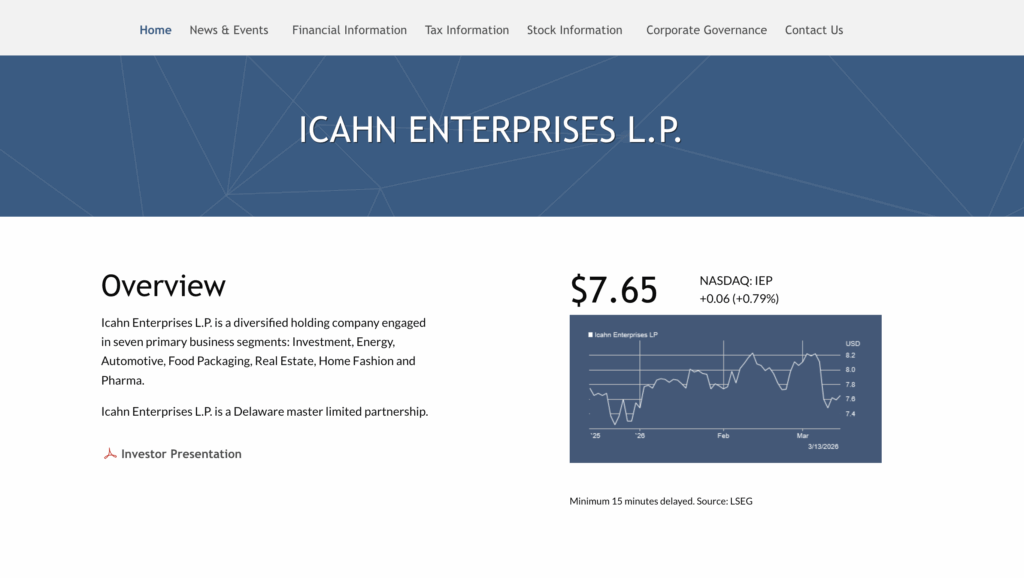
Through Icahn Enterprises, Carl Icahn took large ownership positions in companies he believed were undervalued or poorly managed.
Icahn developed a reputation for going where others wouldn’t, and it made him one of the most closely watched figures in corporate America.
When Icahn takes a stake in a company, its stock price typically jumps. This is a reaction known as the “Icahn lift”, because investors trust he will push for real change.
Templeton Growth Fund

John Templeton launched the Templeton Growth Fund after buying stocks during the Great Depression.
Templeton Funds pioneered global investing at a time when the average investor rarely looked beyond domestic markets.
The Franklin Group later acquired his operation (now Franklin Templeton) and has become one of the most recognized names in global mutual funds.
How We Identified the Best Investment Firms
The firms on this list were selected based on criteria used across financial research. The criteria are aligned with how institutions like the SEC evaluate registered investment advisors:
- Assets Under Management (AUM): scale signals institutional trust and staying power.
- Global deal volume: consistent transaction history across market cycles.
- Market influence: firms whose investment decisions move sectors and set trends.
- Historical performance: long-term track record over individual headline deals.
- Specialization: depth of expertise in tech, buyouts, credit, or asset management.
- Reputation: how founders, executives, and advisors regard these firms after working with them.
Best Investors by Category
| Category | Top firms |
|---|---|
| Long-Term Institutional | BlackRock, Vanguard, Fidelity |
| Investment Banks | Goldman Sachs, JPMorgan Chase, Morgan Stanley |
| Private Equity | Blackstone, KKR, Carlyle, Apollo |
| Venture Capital | Sequoia, a16z, Accel, Benchmark |
| Growth Equity | Insight Partners |
| Macro / Activist | Soros Fund Management, Icahn Enterprises, Templeton |
- Best long-term institutional investors manage retirement funds, endowments, and sovereign wealth. They are most relevant for public companies or those preparing for an IPO.
- Best tech startup investors back companies from seed through Series C. They offer operational depth beyond capital and are most active for founders in software, fintech, and consumer tech.
- Best investment firms for M&A, such as Goldman, JPMorgan, and Morgan Stanley, consistently top global deal rankings. They cover every industry and transaction type.
- Best growth equity investors — Insight Partners combines capital with execution support; strong fit for founders who’ve proven the model and need fuel to scale.
Why Data Rooms Matter When Working With Top Investors
Once you’ve identified the right investors, preparation becomes everything. Start with this capital raising guide. It covers types of capital raising, the entire process step-by-step, as well as common pitfalls to avoid.
The best firms move quickly and expect organized, accessible information from day one. That’s where a data room makes a real difference.
A well-structured data room keeps everything investors need in one secure place. All the must-add documents are gathered in this due diligence guide. Check it before setting up the data room.
Here’s what a good data room gives you:
- Faster due diligence — investors review documents on their own timeline, without back-and-forth delays
- Secure document control — sensitive financials and legal files stay protected with permission-based access
- Audit trails — full visibility into who viewed what and when
- Investor-ready infrastructure — everything organized and accessible, reducing friction at every stage of the raise
And if you’re working with advisors or considering a transaction, getting familiar with how investment banking works will give you a clearer picture of who does what and when they get involved.
Overall, a clean data room shortens timelines and builds confidence before a term sheet is ever discussed.
Conclusion
The best investors in the USA don’t all look the same, and that’s the point. From the Vanguard Group’s low-cost index funds for the individual investor, to Apollo’s contrarian approach targeting undervalued companies, each firm operates with a distinct investment philosophy:
- Thomas Rowe Price Jr. shaped growth investing.
- Columbia Business School formalized value investing.
- Peter Lynch proved the Fidelity Magellan Fund could beat Wall Street through discipline.
- Fidelity Investments built on that legacy across decades.
These principles still echo through how firms manage hedge funds, take ownership positions, and advise on billion-dollar deals across financial markets today.
For founders and executives, the takeaway is simple: the right investor depends on your stage and what you need beyond capital. An activist investor is a very different partner from a growth equity firm. And hedge funds operate with investment strategies the average investor rarely sees. This is something one should always keep in mind.
What ties the greatest investors together is discipline and preparation, rather than one magic strategy. The same applies on your side of the table.
These three simple things:
- Knowing who you’re talking to.
- Listening to what they look for.
- Having your documents in order (something a virtual data room can help with).
Are something that separates companies that close the deals from those that don’t.
FAQ
The most successful investors are Warren Buffett, Peter Lynch, and John Templeton. They all have a clear investment philosophy and a long-term view.
These are BlackRock, Vanguard, Goldman Sachs, Sequoia, KKR, and Warren Buffett’s Berkshire Hathaway. However, the best investors for your situation depend on your stage, sector, and goals.
Venture capital targets early-stage companies where the initial investment carries high risk but significant upside. Private equity targets mature businesses and uses ownership positions and operational improvements to generate shareholder value. Growth investing sits between the two.
A successful hedge fund operates differently from VC or PE — trading across public markets using active investment strategies regardless of stock market conditions. The respected quantum fund model, made famous by George Soros, is one of the most studied examples in financial history.
The intelligent investor concept, developed by Benjamin Graham at Columbia Business School, centers on security analysis, risk awareness, and long-term thinking. A chief investment officer at a major institution applies the same principles as a disciplined individual: understand the business, know your price, don’t let noise drive investment decisions.
Yes, especially at the due diligence stage. A structured data room signals the professionalism that well-managed companies demonstrate and that serious investors expect.